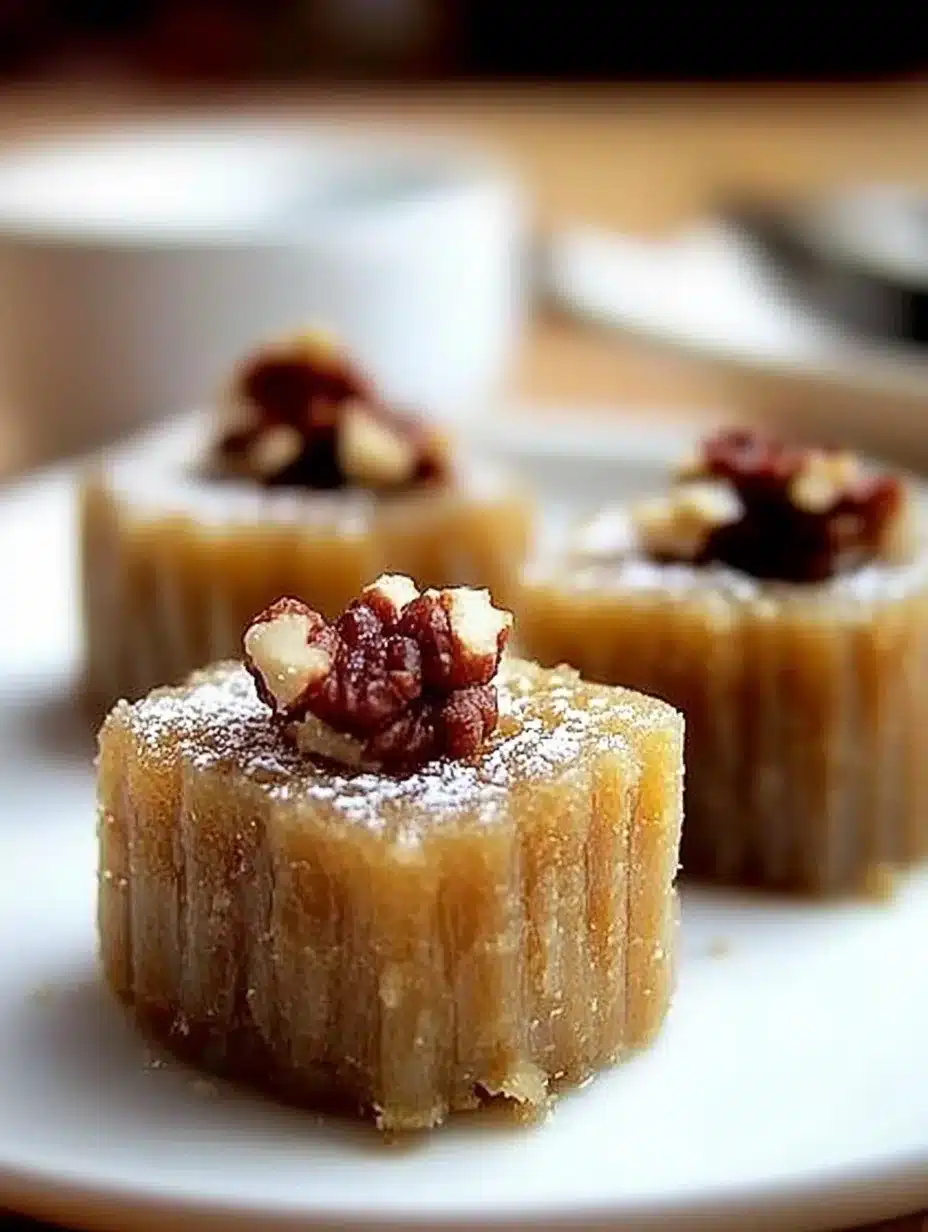
Greek Halva Recipe is a delightful dish that promises to take your taste buds on an amazing journey of flavors and textures. Often enjoyed at celebrations, this sweet treat is made primarily from semolina, offering a unique combination of nuttiness and sweetness. The soft, crumbly texture is enhanced by the delightful sweetness of honey and the warmth of spices. Whether you’re celebrating a special occasion, enjoying a family gathering, or just indulging yourself, this halva recipe is sure to impress all who savor its richness.
If you’ve ever found yourself enchanted by the aroma of freshly made halva wafting through a Greek market, you’ll appreciate the joy of making this dessert at home. The blend of ingredients creates a symphony of taste that warms the heart and evokes feelings of nostalgia. Traditional and simple, this incredible Greek Halva Recipe will equip you with all the necessary steps to recreate this Mediterranean gem in your kitchen. So, prepare to embark on a culinary adventure that embraces the essence of Greek hospitality and flavors.
In this comprehensive guide, we will delve into why you will love making Greek Halva, the preparation and cooking time, a detailed list of ingredients, step-by-step instructions, and expert tips on how to serve it perfectly. Let’s jump straight into the enchanting world of flavors with this traditional Greek sweet!
Why You’ll Love This Recipe
You may be wondering what makes this Greek Halva Recipe so special. Here are several reasons why you will fall head over heels for this dessert:
1. Simple Ingredients: With very few ingredients, halva is easy to create, making it perfect for both novice cooks and experienced chefs.
2. Versatile Texture: The delightful texture can be adjusted according to preference, whether you favor a softer or firmer halva.
3. Cultural Significance: Making halva is a cherished tradition in Greek culture, adding a touch of heritage to your dining experience.
4. Natural Sweetness: The recipe primarily uses honey and sugar, giving it a deliciously sweet flavor without overwhelming.
5. Perfect for Sharing: Halva is easy to cut into pieces and share, making it ideal for parties or casual gatherings.
6. Health Benefits: Made from semolina, this dessert provides carbohydrates and, when flavored with nuts, healthy fats.
These factors come together to make this sweet treat a favorite among many. When you combine the right ingredients in the right amounts, the result is a dish that tastes as good as it feels when shared with loved ones.
Preparation and Cooking Time
Making Greek Halva is a straightforward process that doesn’t take too long. To give you a better idea, here’s the breakdown of the time required:
– Preparation Time: 10 minutes
– Cooking Time: 30 minutes
– Cooling Time: 2 hours (or until set)
With a total estimated time of around 2 hours and 40 minutes, including cooling, you’ll be enjoying a delicious homemade halva before you know it!
Ingredients
– 1 cup semolina
– 1 cup sugar
– 2 cups water
– 1 cup vegetable oil (or olive oil, for a richer flavor)
– 1 teaspoon vanilla extract
– 1 teaspoon cinnamon powder
– 1/2 cup chopped nuts (such as almonds or walnuts, optional)
– 1/2 cup honey
– A pinch of salt
Step-by-Step Instructions
Follow these simple steps to create your very own Greek Halva:
1. Heat the Oil: In a large pan, heat the vegetable or olive oil over medium heat.
2. Toast the Semolina: Once the oil is hot, add the semolina and toast it, stirring continuously, until it turns a golden brown color. This should take about 5–7 minutes.
3. Prepare the Syrup: In another saucepan, combine sugar, water, honey, cinnamon, and a pinch of salt. Bring to a boil, stirring occasionally until the sugar dissolves.
4. Combine Mixtures: Gradually pour the hot syrup into the toasted semolina while stirring to prevent lumps. Be careful, as the mixture will bubble up.
5. Cook the Mixture: Continue to cook the halva over low heat for another 5–10 minutes or until it thickens to a pudding-like consistency.
6. Add Nuts and Flavoring: If using, fold in the chopped nuts and vanilla extract, ensuring they are evenly distributed.
7. Transfer to a Pan: Pour the thickened halva mixture into a well-greased dish or mold, spreading it evenly.
8. Let it Set: Allow the halva to cool at room temperature for about 2 hours or until it is firm to the touch.
9. Cut and Serve: Once hardened, cut the halva into squares or diamonds and enjoy!
How to Serve
Serving Greek Halva is as delightful as making it. Here are some tips to enhance your presentation and enjoyment:
1. Garnish: Consider garnishing the halva with additional chopped nuts or a sprinkle of ground cinnamon for added flavor and beauty.
2. Serve Warm or Cold: Halva can be enjoyed at room temperature or slightly warmed. Both options are delicious.
3. Accompaniments: Pair with a cup of Greek coffee or tea for a traditional experience. It’s also fantastic alongside fresh fruit or yogurt for added freshness.
4. Storage: Store any leftovers in an airtight container in a cool place. It can last up to a week, but it’s best enjoyed fresh.
5. Plate Presentation: For a more elegant touch, serve the halva on a lovely dessert plate with berries or honey drizzled on the side.
With these tips, you can bring out the best of your Greek Halva and impress friends and family alike. Enjoy making and sharing this timeless dessert that is sure to be a favorite!
Additional Tips
– Use Fresh Ingredients: Fresh semolina and high-quality honey can significantly enhance the flavor of your Greek Halva.
– Watch the Toasting: Keep a close eye on the semolina while toasting to avoid burning. Stir continuously for an even golden color.
– Experiment with Spices: Feel free to add other spices like nutmeg or cardamom for a unique flavor twist.
– Allow Proper Cooling: Make sure you let the halva cool completely to set properly. This ensures the desired texture.
– Serve with Sides: Pair halva with a dollop of yogurt or a scoop of ice cream for an extra delicious experience.
Recipe Variation
Explore these variations to create a unique halva experience:
1. Chocolate Halva: Stir in some cocoa powder or melted chocolate into the mixture before it thickens for a rich chocolate halva.
2. Fruit-Infused Halva: Add dried fruits like apricots or raisins into the mixture to bring a sweet and chewy element.
3. Nut Variations: Experiment with different nuts such as pistachios or hazelnuts for various flavor profiles.
4. Savory Halva: For a savory twist, use less sugar and add a pinch of za’atar or herbs for a unique taste.
5. Layered Halva: Create layers by spreading each halva mixture in different flavors on top of one another in a baking dish.
Freezing and Storage
– Storage: Keep any leftover halva in an airtight container at room temperature. It should remain fresh for about a week.
– Freezing: To freeze, cut halva into portions, wrap them well in plastic wrap, and place inside a freezer-safe container. It can last for up to three months.
Special Equipment
You may find these tools helpful while making Greek Halva:
– Saucepan: For making the syrup.
– Large Pan: Essential for toasting the semolina.
– Whisk: Helps to stir the mixture and prevent lumps.
– Baking Dish or Mold: For setting the halva.
– Spatula: Useful for spreading the mixture evenly.
Frequently Asked Questions
What should I do if my halva is too crumbly?
If your halva doesn’t hold together, it may need more moisture. Try adding a bit more water or honey into the mix when cooking.
Can I substitute oil with butter?
Yes, you can use butter for a richer flavor. Just keep in mind that it can change the texture slightly.
Is Greek Halva gluten-free?
Since this recipe primarily uses semolina, a wheat product, it is not gluten-free. However, you can use gluten-free alternatives like cornmeal or a gluten-free flour blend.
How can I tell when the halva is done cooking?
The halva is ready when it thickens to a pudding-like consistency and pulls away from the sides of the pan.
What is the best way to cut Halva?
Using a sharp, khaki knife will help you get clean cuts. It’s recommended to use a gentle sawing motion rather than pressing down hard.
Conclusion
This Greek Halva Recipe offers a delightful taste of Mediterranean tradition. With its simple ingredients and easy preparation, you can enjoy this sweet treat at home. Whether for a festive occasion or a cozy family gathering, halva is a perfect addition that brings joy and warmth to any table. Don’t forget to explore different variations and serve it in unique ways to impress your guests!
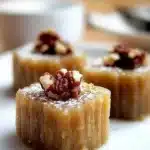
Greek Halva Recipe: An Incredible Ultimate Dessert for All
- Total Time: 45 minutes
Ingredients
– 1 cup semolina
– 1 cup sugar
– 2 cups water
– 1 cup vegetable oil (or olive oil, for a richer flavor)
– 1 teaspoon vanilla extract
– 1 teaspoon cinnamon powder
– 1/2 cup chopped nuts (such as almonds or walnuts, optional)
– 1/2 cup honey
– A pinch of salt
Instructions
Follow these simple steps to create your very own Greek Halva:
1. Heat the Oil: In a large pan, heat the vegetable or olive oil over medium heat.
2. Toast the Semolina: Once the oil is hot, add the semolina and toast it, stirring continuously, until it turns a golden brown color. This should take about 5–7 minutes.
3. Prepare the Syrup: In another saucepan, combine sugar, water, honey, cinnamon, and a pinch of salt. Bring to a boil, stirring occasionally until the sugar dissolves.
4. Combine Mixtures: Gradually pour the hot syrup into the toasted semolina while stirring to prevent lumps. Be careful, as the mixture will bubble up.
5. Cook the Mixture: Continue to cook the halva over low heat for another 5–10 minutes or until it thickens to a pudding-like consistency.
6. Add Nuts and Flavoring: If using, fold in the chopped nuts and vanilla extract, ensuring they are evenly distributed.
7. Transfer to a Pan: Pour the thickened halva mixture into a well-greased dish or mold, spreading it evenly.
8. Let it Set: Allow the halva to cool at room temperature for about 2 hours or until it is firm to the touch.
9. Cut and Serve: Once hardened, cut the halva into squares or diamonds and enjoy!
- Prep Time: 15 minutes
- Cook Time: 30 minutes
Nutrition
- Serving Size: 8 servings
- Calories: 280 kcal
- Fat: 11g
- Protein: 3g